Course in Solar PV Inspection Attracts Interest Across Sectors
As the number of solar PV installations continues to grow, so does the need for knowledge on how they are inspected and monitored over time. At Glava Energy Center, participants from different sectors come together to deepen their understanding of inspection – with a focus on both theory and hands-on practice in a real-world environment.
On 17–18 March, a fully booked session of Glava Energy Center’s training course Inspection of Solar PV Installations was held in Hillringsberg, Glava, just outside Arvika. Over two days, lectures were combined with practical exercises in Glava Energy Center’s test park, where participants worked with real installations and practiced identifying deviations using various measurement techniques.
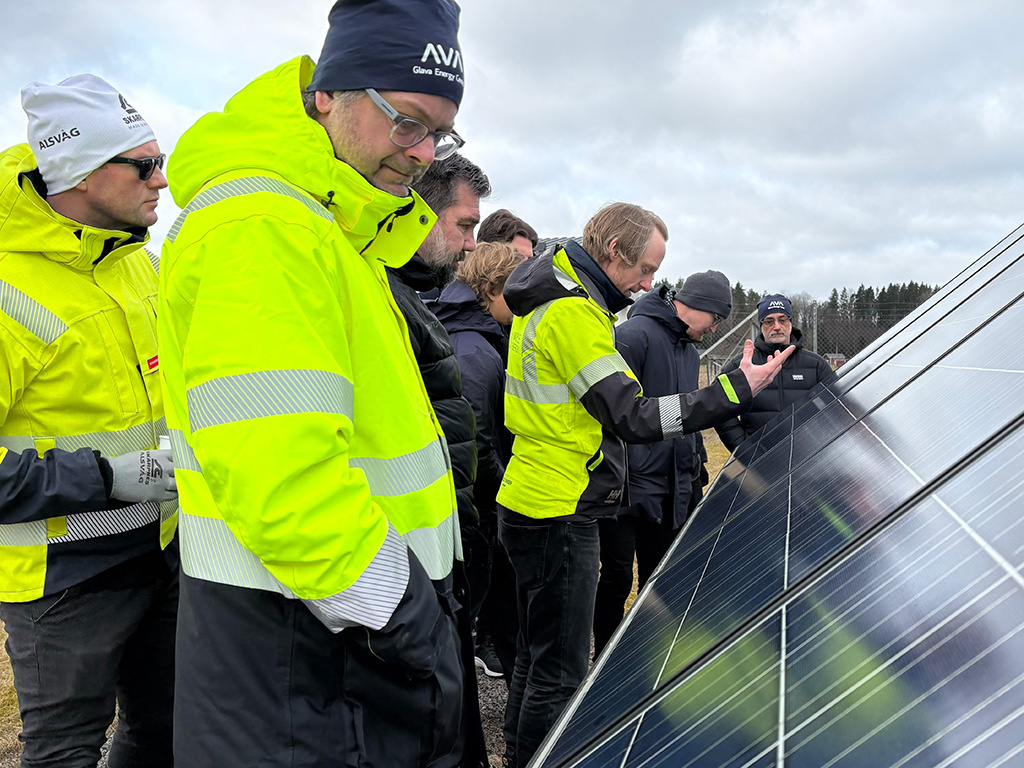
– It is important to distinguish between visual inspections and interventions that affect the system. Many checks can be done visually, but as soon as you start interacting with the installation, it often qualifies as electrical installation work, says course instructor Per Hederstedt, solar specialist at Maple Energy and a certified inspection engineer with 20 years of experience in the electrical sector.
Today, there is a large number of solar PV installations in Sweden. According to Svensk Solenergi, there were 293,024 grid-connected installations as of January 2025, with approximately 25,000 new systems installed during the year. As this installed base grows, so does the need for knowledge on how systems are inspected and maintained over time.
What is safe to do – and what is not?
With this course, Glava Energy Center aims to contribute to safe installations and systems. A key part of the training is understanding the difference between different types of inspections – and which require specific authorization.
– Measurements and checks that involve disconnecting components or opening enclosures and electrical panels are often considered electrical installation work and may only be carried out by registered electrical installation companies. These companies must have a self-monitoring programme and be registered with the Swedish National Electrical Safety Board.
– It can be tempting to carry out such measurements yourself, especially when the instruments appear simple and user-friendly. However, these are high-voltage systems that can be directly life-threatening if handled incorrectly.
A broad target group and shared responsibility
The course is not aimed solely at inspection professionals. On the contrary, participants often come from a wide range of sectors.
– We have had participants from contractors, property owners, authorities and grid operators. Many want to understand how an inspection is carried out and what responsibilities they have themselves, says Per Hederstedt.
– It is a major advantage that we attract such a diverse group of participants. It leads to constructive discussions from different perspectives.
For property owners, the training is often about strengthening their role as clients.
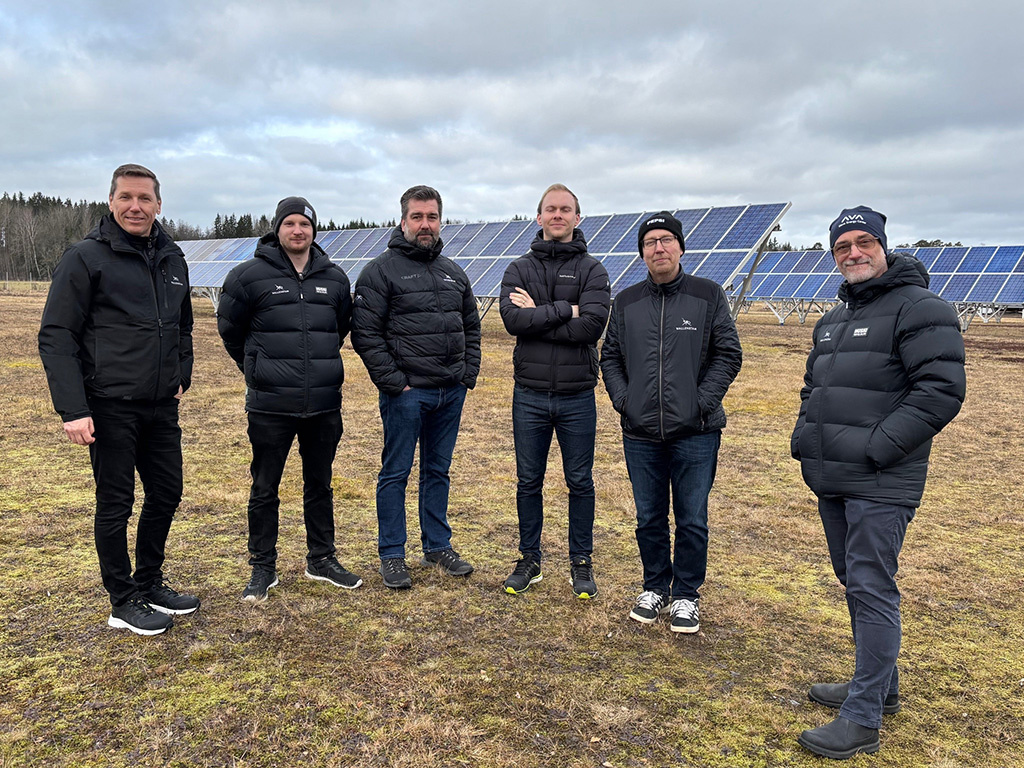
During this course, six representatives from the real estate company Wallenstam participated. The company develops and manages properties mainly in Stockholm and Gothenburg.
– We see this as an important step in raising our level of competence and becoming a better client. It is about managing our solar PV installations safely over the long term, says Henrik Olsson, Operations Manager within Property Management and Development in Gothenburg.
Learning in a real-world environment
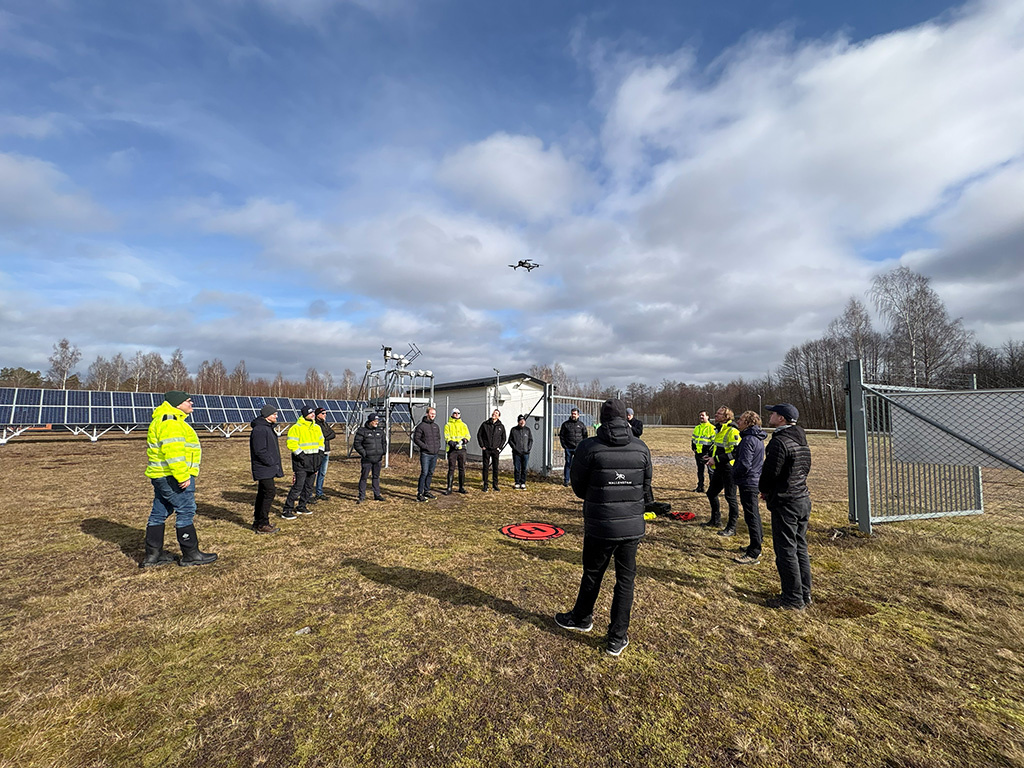
A key strength of the training is that it takes place in an environment where theory is directly linked to practice. In the solar park, participants work with troubleshooting, measurements, drone-based inspections and analysis on real installations.
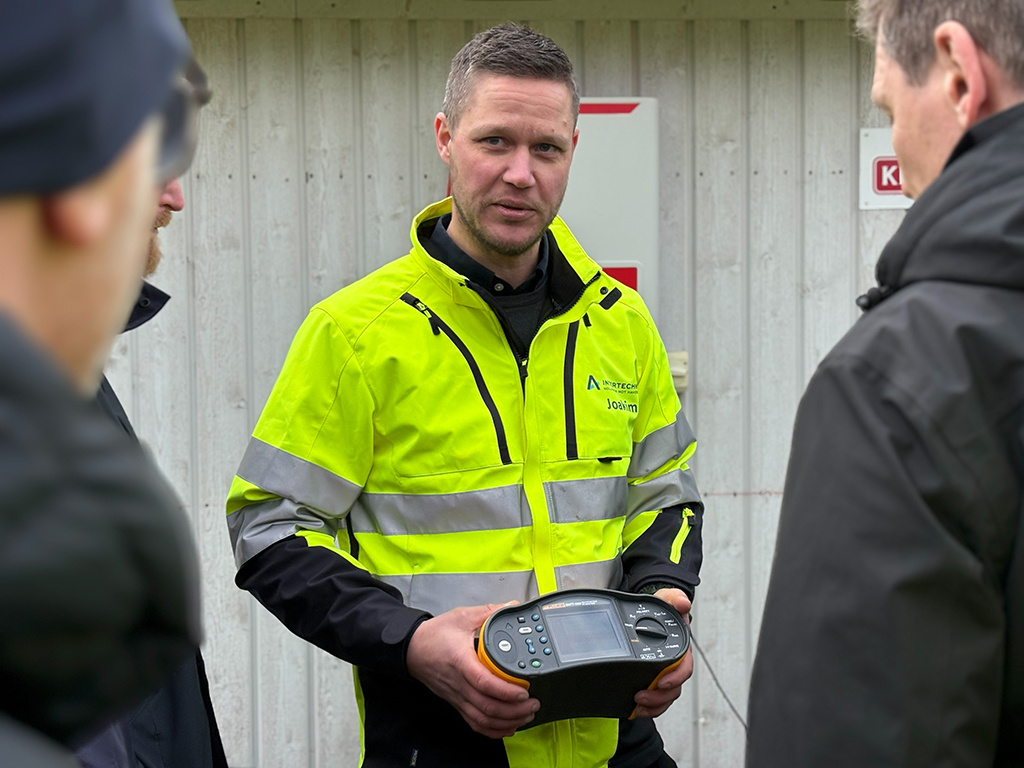
Also on site were instructors Fredrik Gryth and Joakim Gustafsson from Intertechna, who provide products and services in calibration and diagnostics, demonstrating working methods related to measurement instruments.
– For us, it is valuable to meet users of our measurement equipment and gain a better understanding of their needs and challenges, says Fredrik Gryth.
The course is conducted on site over two days, including a shared dinner – an arrangement that often leads to continued contact between participants.
– We combine theory with hands-on practice and create space for dialogue and exchange of experience. Participants come from different backgrounds, which adds valuable perspectives to the discussions, says Liselott Öberg Stridh, Head of Training at Glava Energy Center.
Image captions
- Course participants observe as Per Hederstedt launches a drone in the test park.
- Joakim Gustafsson from Intertechna demonstrates measurement equipment.
- Per Hederstedt demonstrates how a visual inspection of a solar panel is carried out.
- The real estate company Wallenstam participated with six representatives in the training.
New course session in April
Missed the course? No problem. The next training session will take place:
21–22 April 2026
Location: Glava Energy Center, HillringsbergRead more about the course and register via the training page Inspection of Solar PV Installations.
Cross-sector collaboration in practice – within Innovite
At Glava Energy Center, we see how value is created when actors from different parts of the energy system come together. The course Inspection of Solar PV Installations is a concrete example – where new perspectives and shared understanding emerge through interaction between the electricity sector, property owners and contractors.
Through the Innovite project, we work to strengthen this type of collaboration – across electricity, heating, industry, real estate and digitalisation – to develop solutions that work in practice. The project is funded by the Swedish Energy Agency.